
A new study published in 2026 in Frontiers in Public Health shows how common it has become to use CBD alongside conventional medicines, and how cannabidiol is being integrated into everyday health.
The researchers analysed responses from 1,523 US adults, drawn from a larger panel of 2,880 respondents in a nationally representative survey. Use of CBD is now widespread and often linked to specific health concerns.
At EU level, the Court of Justice ruled in the Kanavape judgment of 2020 that CBD is not a narcotic under the 1961 UN Single Convention.
More than a third have tried CBD
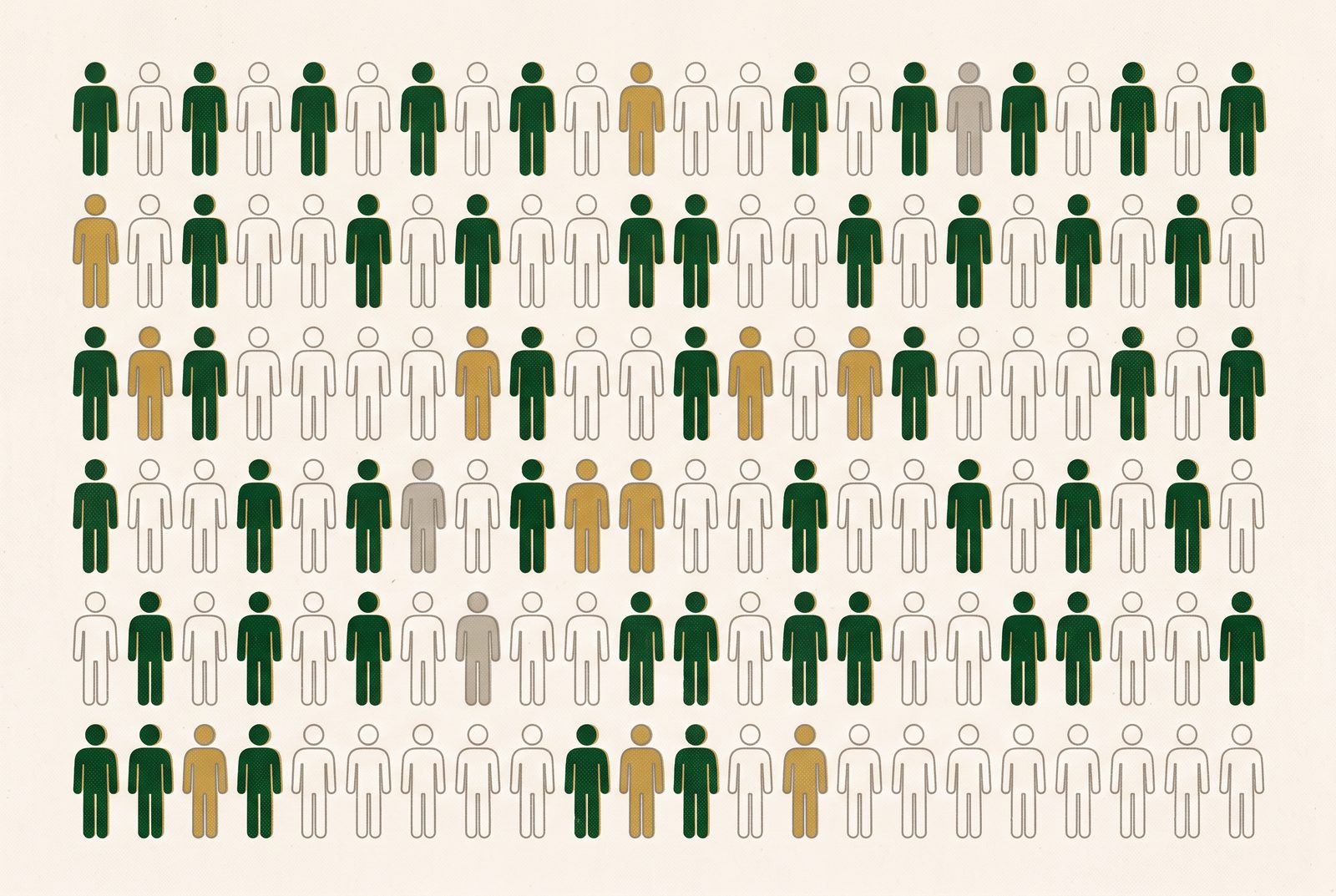
According to the study, 35.2% of US adults said they had used CBD at some point, equivalent to roughly 90 million people. In addition, 21.8% reported using CBD in the past year, which shows that use remains substantial.
This confirms a trend researchers have watched grow for several years: CBD is moving from a niche product to something many people try for different kinds of wellbeing.
Many use CBD alongside medication
The study also shows that CBD is often used as a complement to conventional treatments.
Among people who had ever used CBD:
- 32% used it together with or instead of a medicine
- 24.2% as a complement to a medicine
- 11% as a replacement for one
Combining CBD with existing treatments was more common than fully replacing them.
The most common reasons reported
The researchers identified several types of health problems for which people most often use CBD. The three most common categories were:
- Muscle and joint pain (such as back or joint pain)
- Mental health concerns such as stress, anxiety or sleep problems
- General pain or inflammation
Common medicines combined or replaced included ibuprofen and paracetamol-based painkillers.
Most common ways of using CBD
The study also looked at how people use CBD products. The most common forms were:
- Topical products (creams and salves)
- Edibles such as gummies
- CBD oil or tinctures
- Hemp flower or joints
This shows how broadly the CBD market has developed, with products adapted to different needs and preferences.
The study also asked which type of CBD product users used most often. 20.6% said mainly full-spectrum, 14.4% broad-spectrum and 14.9% isolate. Half (50.1%) did not know which type they used most often.
What the results mean
The authors argue the findings show how important more research and clearer guidance on dosing, product quality and combining CBD with other treatments will be. As more people use CBD day to day, understanding both possibilities and limitations matters more.
Summary
The new study gives a clear picture: CBD is no longer a marginal product.
Millions of people already use CBD, often as a complement to other treatments, especially for pain, stress and sleep problems.
For consumers, this means that knowledge about quality, dosing and product transparency matters more and more when choosing CBD.
This article references published research for journalistic purposes. It is not medical advice and no health claims about any product follow from it. See Ownership and transparency for Svenskhampa's relationship with Helsama.
Updated 7 October 2026.